Technology · · 9 min read
Foam Wars: A Short History of Midsole Innovation
By Marcus Lin
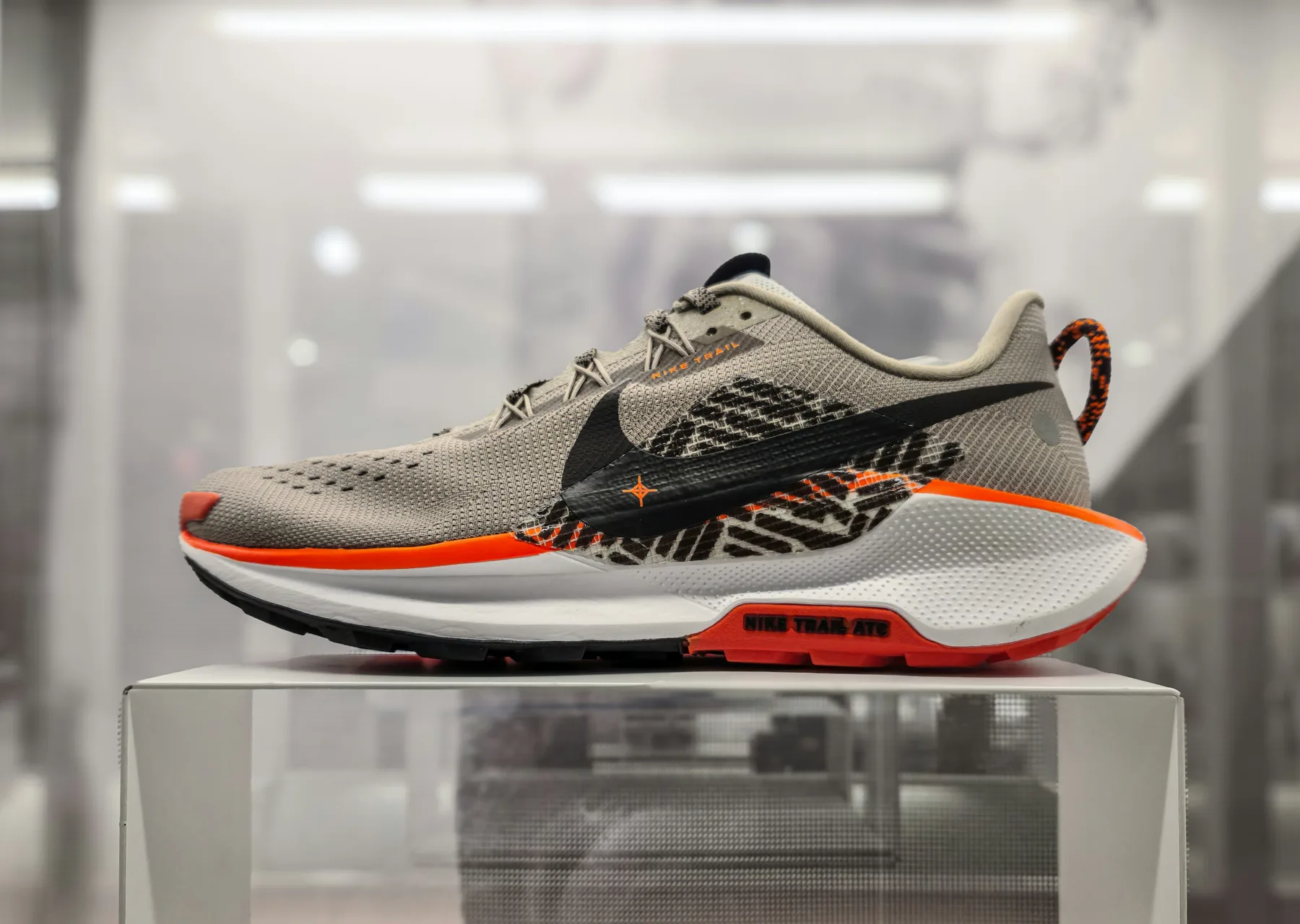
For most of the twentieth century, a running shoe's midsole was simply whatever rubber or early foam compound a factory could mold reliably. Cushioning was a byproduct of manufacturing convenience, not an engineering target. That changed once brands realized that the space between your foot and the ground was the one part of the shoe a runner actually feels on every single step, and started treating it accordingly.
The first real leap was encapsulated gas cushioning — pockets of pressurized air sealed inside a polyurethane shell and dropped into the heel. It was, at the time, a genuinely strange idea to sell to runners: trust your body weight to a bag of air inside your shoe. But it compressed and rebounded in a way solid foam could not match, and once one brand proved it worked, the entire industry spent a decade building variations on the same premise.
Air cushioning's biggest limitation was that it excelled at one thing — vertical compression — without doing much for the softer, more forgiving ride runners wanted underfoot everywhere else. That gap is what pushed research toward full-length foam systems in the 1990s and 2000s, dense EVA compounds engineered for consistency across a shoe's entire length rather than a single windowed unit at the heel.
Then came the compound that actually rewrote the category: a thermoplastic polyurethane foam, expanded using a process borrowed from industrial packaging, that returned more energy per stride than any EVA blend on the market. It felt different enough underfoot that runners could identify it blind, and it is the direct ancestor of nearly every "responsive" foam sold today, regardless of brand or trademark name.
What followed was less a single breakthrough than an arms race of proprietary foam names, each brand chasing a similar goal through a slightly different chemistry: softer without being mushy, responsive without being harsh, durable enough to survive hundreds of miles without collapsing into a dead slab. Marketing departments gave these compounds names that sound interchangeable to a casual buyer and are, chemically, genuinely not.
Carbon-fiber plates arrived next, not as a cushioning technology but as a lever — a rigid piece embedded in the foam that stores and releases energy through the gait cycle, effectively doing some of the work your calf and Achilles tendon would otherwise handle. Paired with the new generation of foams, plated shoes produced measurable improvements in running economy large enough that several were eventually restricted from elite marathon competition until regulations caught up.
None of this history is visible to someone trying on a shoe in a store, which is part of why midsole marketing leans so heavily on adjectives instead of specifications. A shopper feels "bouncy" or "flat," not "expanded thermoplastic polyurethane at a given density." The technology only matters insofar as it changes what your foot experiences, which is exactly the metric the research labs have been optimizing for the whole time.
The next frontier is already visible in performance lines: foams tuned per zone of the shoe rather than uniformly, softer under the heel and firmer at the forefoot, manufactured in a single mold rather than glued together from separate pieces. Cushioning is no longer a single material decision. It is a map.
None of it changes the oldest fact in footwear — that the best midsole is the one that disappears entirely from your attention, mile after mile, without you ever thinking about it once.