Archive · · 6 min read
Deadstock: What It Means to Keep a Shoe Box Sealed
By Priya Chandran
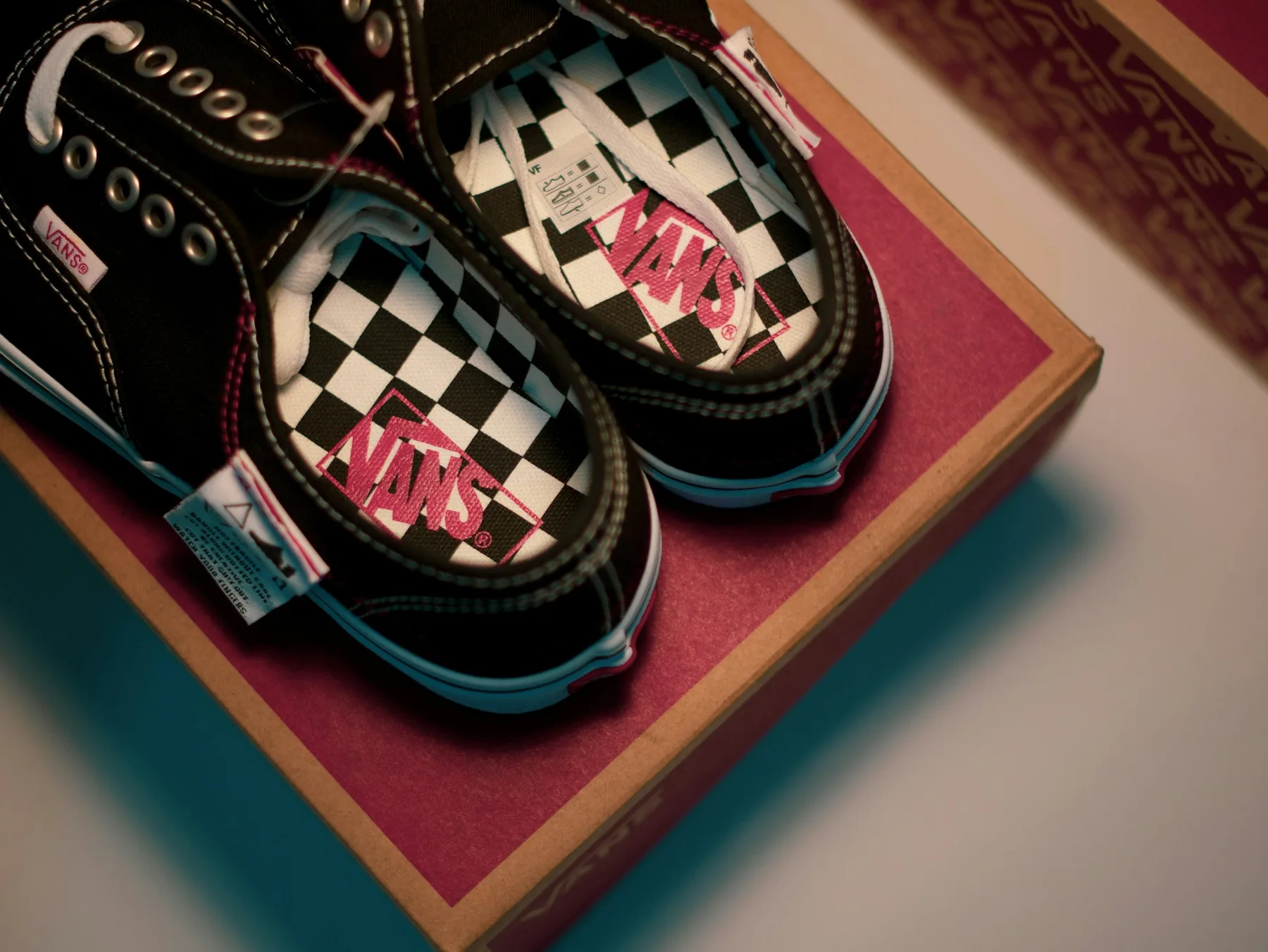
"Deadstock" originally described unsold retail inventory — stock that went dead on a shelf, never purchased, eventually written off. Somewhere along the way, sneaker culture repurposed the word to mean something closer to its opposite: a pair so valued that it was bought on purpose and then deliberately never worn, kept sealed in its original box as a store of value rather than an object of use.
The economics are straightforward enough. A shoe worn even once loses a meaningful percentage of its resale price, because the used market and the deadstock market are simply not comparable — box condition, tag placement, and factory creasing all factor into what a buyer will pay. For a rare enough release, the difference between worn and deadstock can be the difference between a shoe worth wearing and a shoe worth a car payment.
But treating a shoe purely as an asset creates a strange relationship with an object designed, from the ground up, to be walked in. Designers spend years tuning a midsole compound for how it compresses under real body weight over thousands of steps — feedback that a sealed box can never generate. A deadstock archive is, in a sense, a shoe collection with all of the engineering left unused.
Serious archivists tend to draw a distinction that outsiders often miss: keeping a pair deadstock is not the same as hoarding it out of pure investment logic. Many collectors buy two of a release specifically so one can be worn into the ground while the other stays sealed, treating the untouched pair less like a financial instrument and more like a specimen — the version of the shoe as the designer intended it, preserved against the version that lived a life.
Storage conditions matter more than most new collectors realize. Foam degrades chemically over time regardless of whether it is ever compressed underfoot, a process accelerated by heat, direct sunlight, and humidity. A deadstock pair stored in a hot garage for a decade will often have a firmer, more brittle midsole than a worn pair kept in a climate-controlled closet, which undercuts the entire premise of preservation if the goal was ever to wear it eventually.
This has pushed the more serious end of the archive world toward practices borrowed from textile conservation: acid-free tissue instead of the original crumpled paper, silica packets to manage humidity, off-gassing periods before long-term sealed storage. It is, functionally, the same discipline a museum applies to a costume collection, just self-taught and crowd-sourced across forums rather than trained in a conservation program.
There is a real tension between deadstock culture and the idea that shoes are fundamentally functional objects, and most people who have spent serious time in this world land somewhere in the middle rather than at either extreme. A wall of sealed boxes and a closet of worn pairs are not competing philosophies so much as two different answers to the same question: what is this shoe actually for, to you, specifically.
Ask ten collectors why they keep certain pairs sealed and you will get ten different answers, but the honest ones tend to admit the same thing eventually — some shoes get kept in the box not because of what they will be worth, but because opening it would mean the object stops being a possibility and starts being a memory.